Pakistan consistently ranks among the world’s top date producers, yet it remains under-represented on many import ledgers. For buyers, that gap is an opportunity: quality comparable with far pricier origins, at farm-belt economics. Here’s a practical primer.
Know the calendar
Harvest runs roughly July to September. Fresh and semi-dried fruit is allocated during and just after harvest, while dried products — chuhara, diced dates, powder, paste — ship year-round from storage. If you need fresh-season Aseel, book before the fruit is on the tree.
Match the format to your market
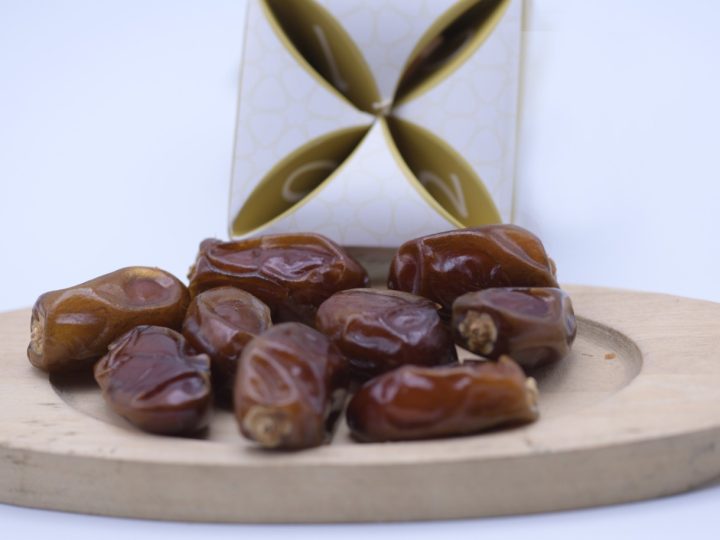
- Retail grocery: semi-dried whole dates in pouches or cartons; gift packs for Ramadan and Eid peaks.
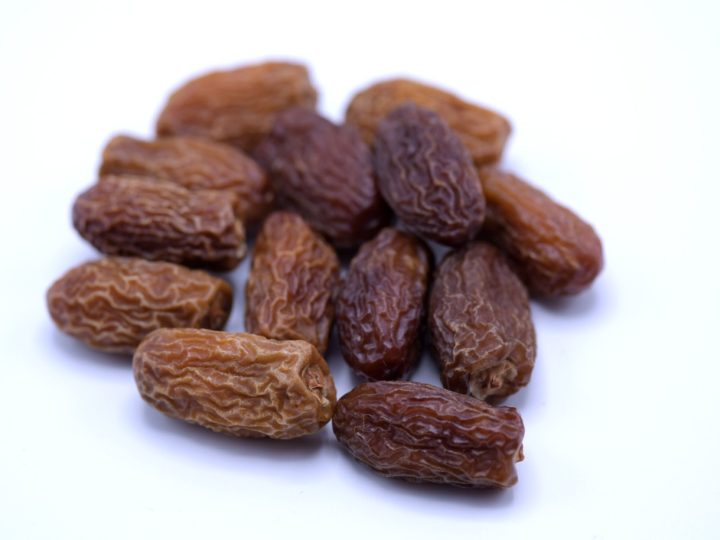
- South Asian diaspora: chuhara and golden dry dates, often in bulk sacks for repacking.
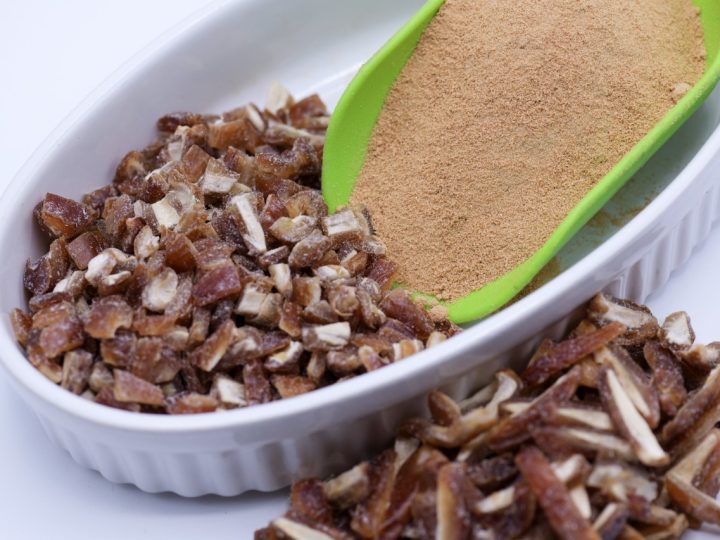
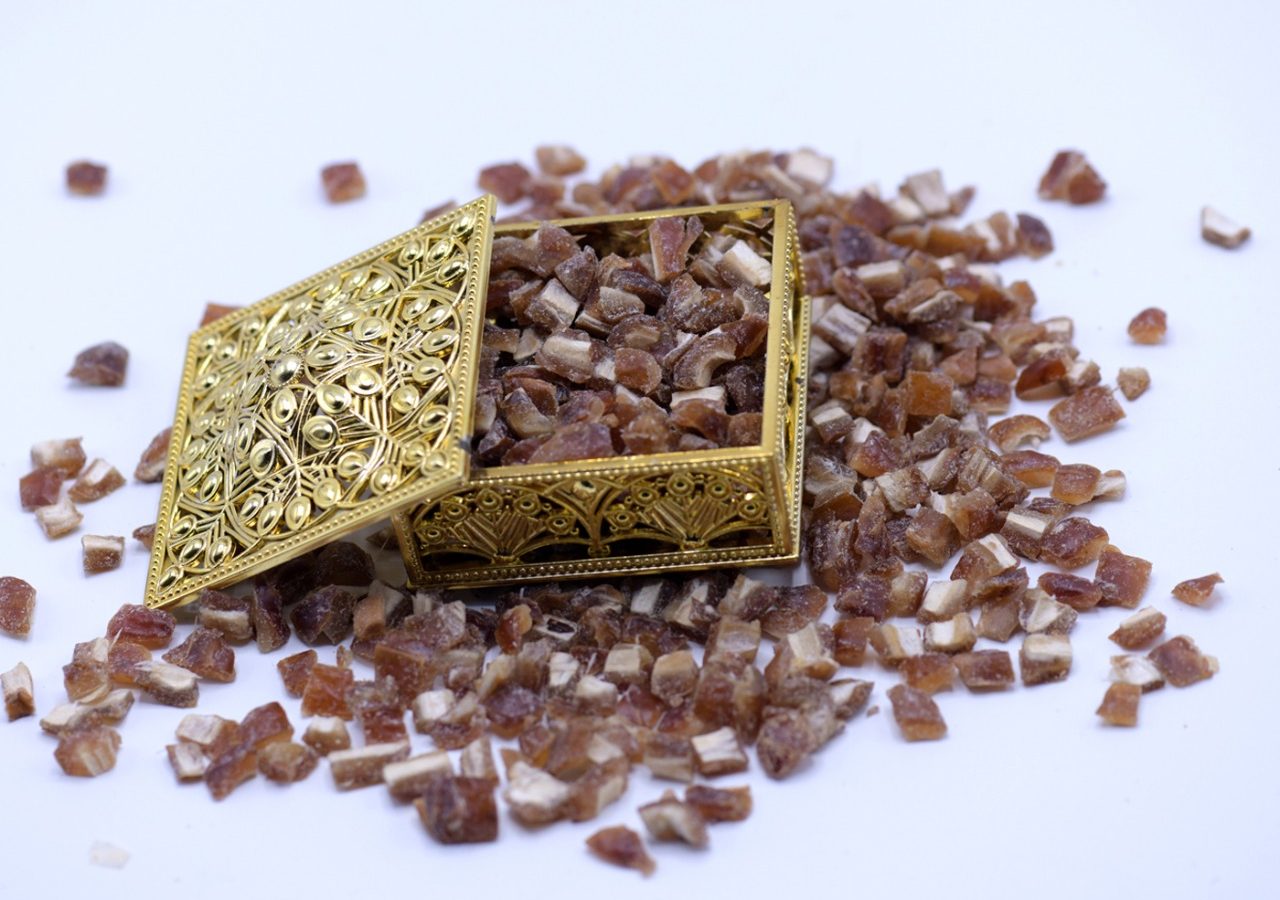
- Food industry: diced dates, paste and powder to spec — ask about cut size, dusting and moisture.
Questions to ask any supplier
- Do you farm yourself, or trade? (Farm-direct means accountable quality and better pricing.)
- What grades do you offer, and can I see grade specs in writing?
- Can you send pre-shipment samples from the actual lot?
- What’s your packing flexibility — bulk, vacuum, private label?
- Who handles export documentation?
Pricing logic
Date pricing moves with grade, format, packing and season. Industrial grades for processing sit well below retail grades; early-season fresh fruit commands a premium; dried formats are the most stable through the year. A good supplier will explain exactly which lever is moving your number.
We built Sky Star to answer these questions well: our own 300-acre farm, every format in-house, and packing to your label. Read how ordering works or request a quote — replies within one business day.