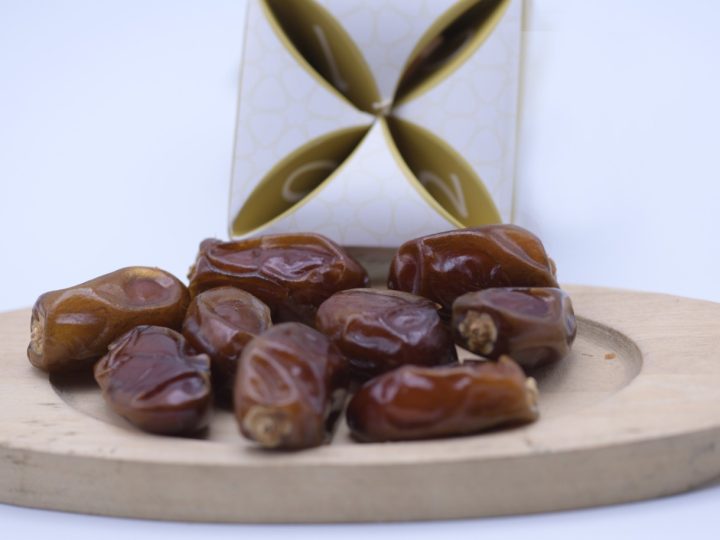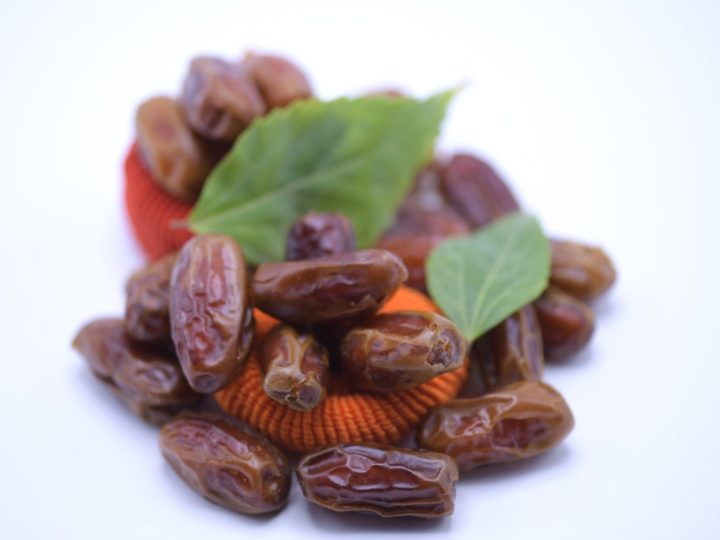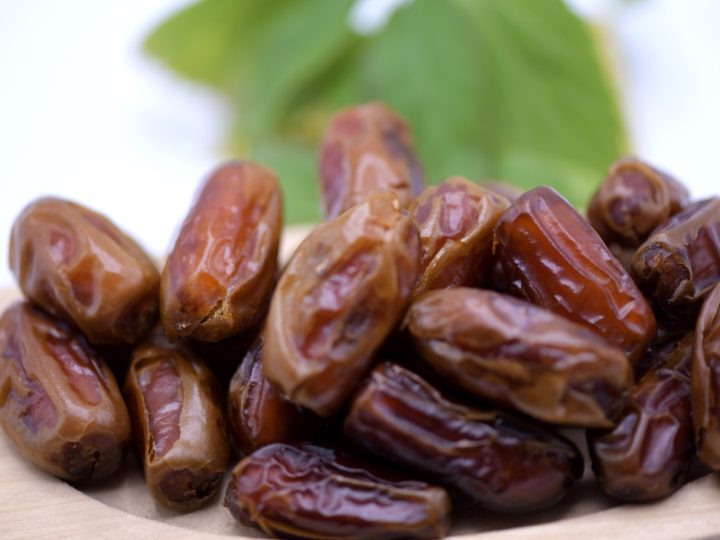
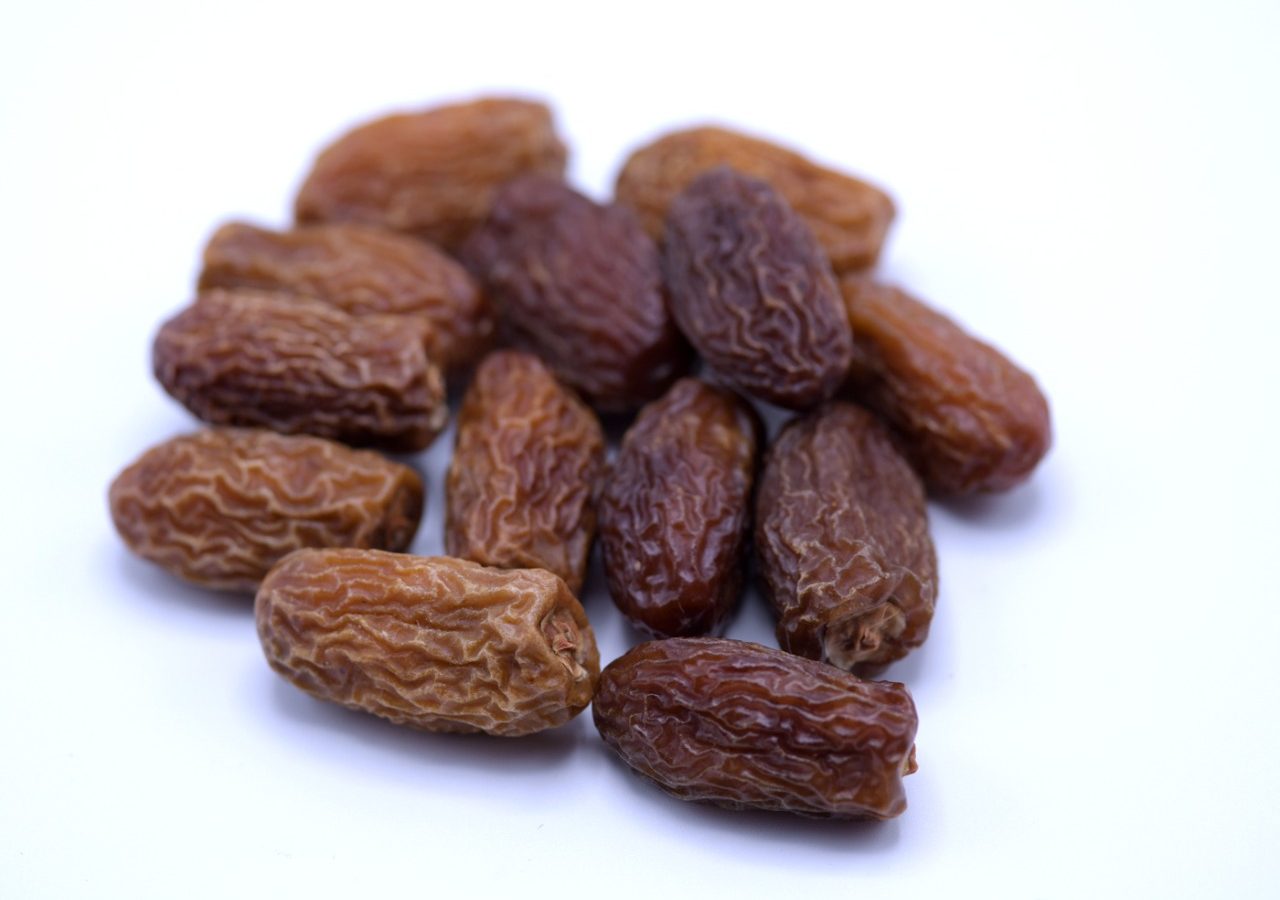
Walk through any bazaar in Pakistan and you’ll see dates in two great families: soft, glossy fresh and semi-dried dates, and the firm, matte chuhara — fully dried dates. Both start on the same palm; the difference is water.
Moisture is everything
Fresh-season dates carry high moisture — soft, sticky and perishable. Semi-dried dates sit lower, giving that classic chewy texture with around a year of shelf life. Chuhara is dried until hard, which pushes shelf life to 18–24 months with no refrigeration at all.
Flavour and texture
- Soft/semi-dried: caramel, toffee-like, dessert-ready. Eaten as-is, stuffed, or chopped into baking.
- Chuhara: concentrated, almost smoky sweetness with a satisfying chew. Simmered in milk, added to pulao and curries, or ground into traditional preparations.
Which should you stock?
For retail snacking markets — Europe, North America, the Gulf — semi-dried whole dates are the volume seller. For South Asian grocery, chuhara is a non-negotiable staple, especially around wedding seasons and winter. Food manufacturers lean on diced dates and paste, both made from the same fruit.
The practical answer for many buyers is a mixed container — cartons of semi-dried Aseel alongside sacks of chuhara. Because we produce every format ourselves, mixing a load is easy. Ask us for a combined quote.