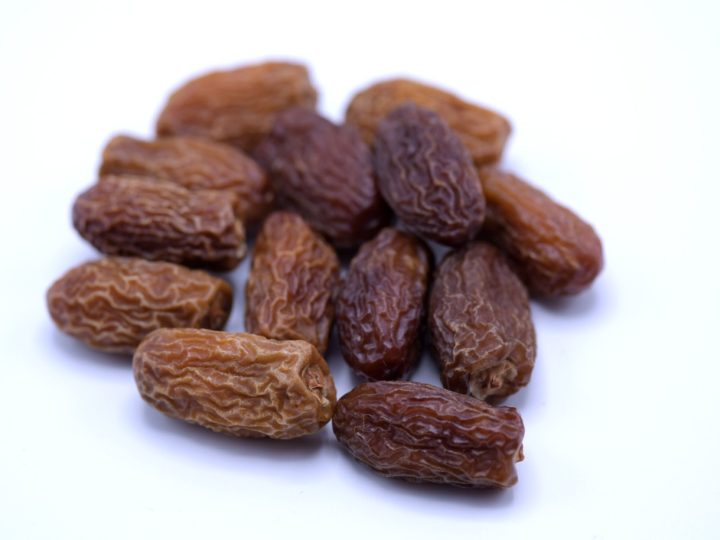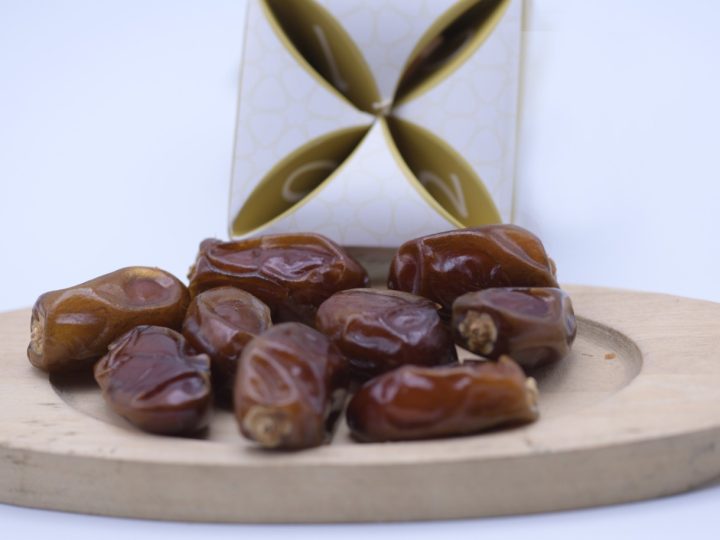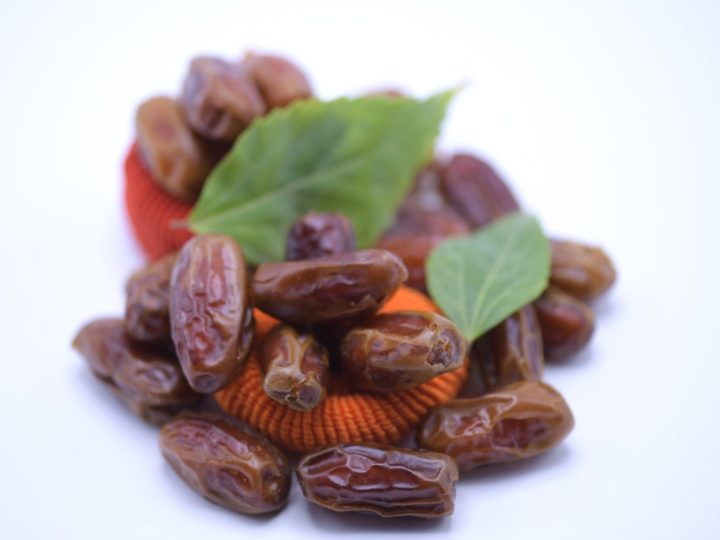
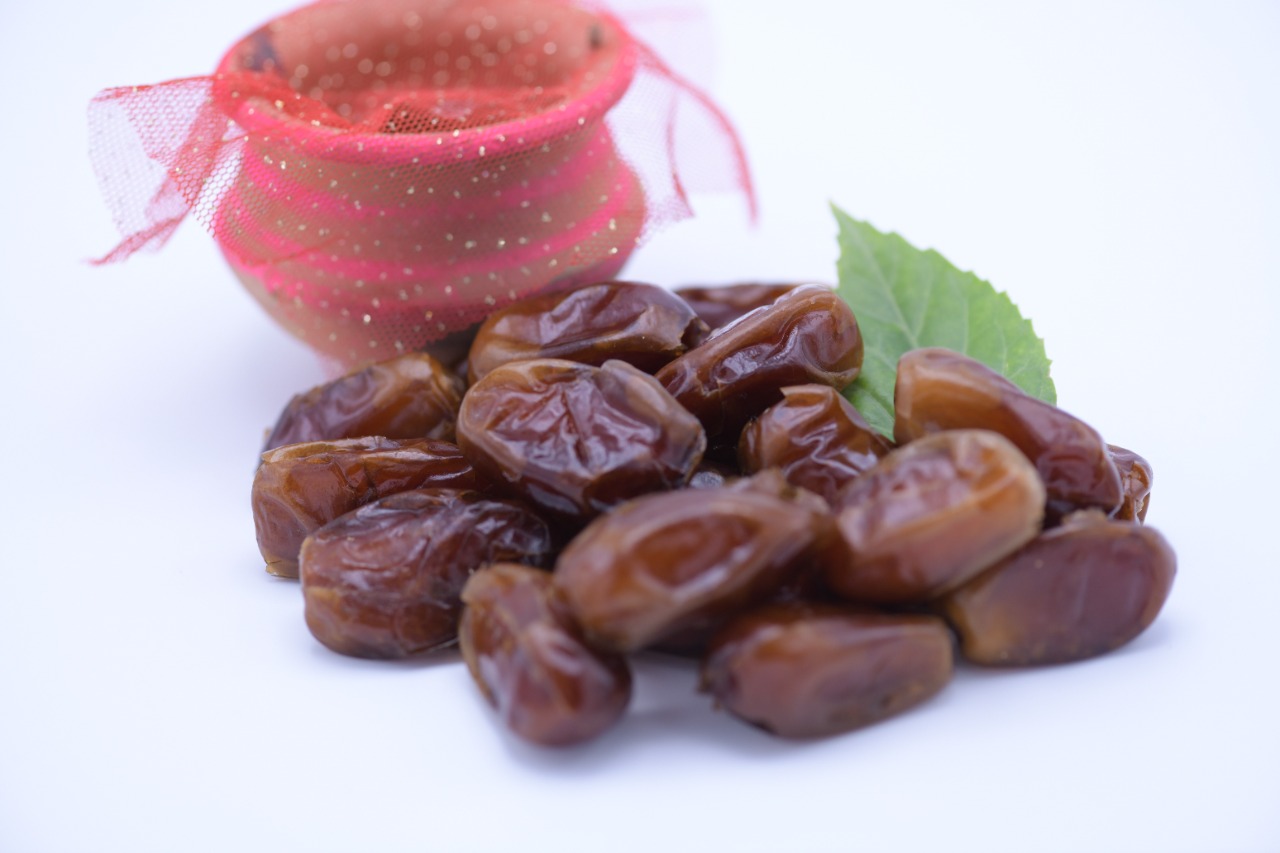
Each evening during Ramadan, from Jakarta to London, the day’s fast traditionally breaks the same way: with dates and water. It’s one of the most universal food rituals on earth — and it has both deep roots and sound science.
The tradition
Breaking the fast with dates follows the practice of the Prophet Muhammad ﷺ, and the fruit appears throughout the region’s history — a staple that could sustain travellers across deserts and store through seasons without refrigeration. The saying that inspired our own homepage — “seven dates a day” — comes from the same heritage.
The science behind the ritual
After 14+ hours without food, the body needs glucose it can use immediately. Dates deliver natural sugars fast, with fibre to smooth the curve and potassium to help rehydration — arguably the ideal fast-breaking food, designed centuries before nutrition labs existed.
What it means for the trade
Ramadan is the date industry’s peak season worldwide. Retailers see demand multiply, gift packs move in volume, and importers position stock months ahead. Because the Islamic calendar shifts ~11 days earlier each year, smart buyers plan their procurement window annually rather than by fixed months.
Our advice to retail buyers: confirm volumes at least a quarter ahead of Ramadan, and don’t overlook gift formats — beautifully packed dates are as much a gesture as a grocery item during the holy month.
Planning Ramadan stock? Talk to us early — allocation goes to the buyers who book first.